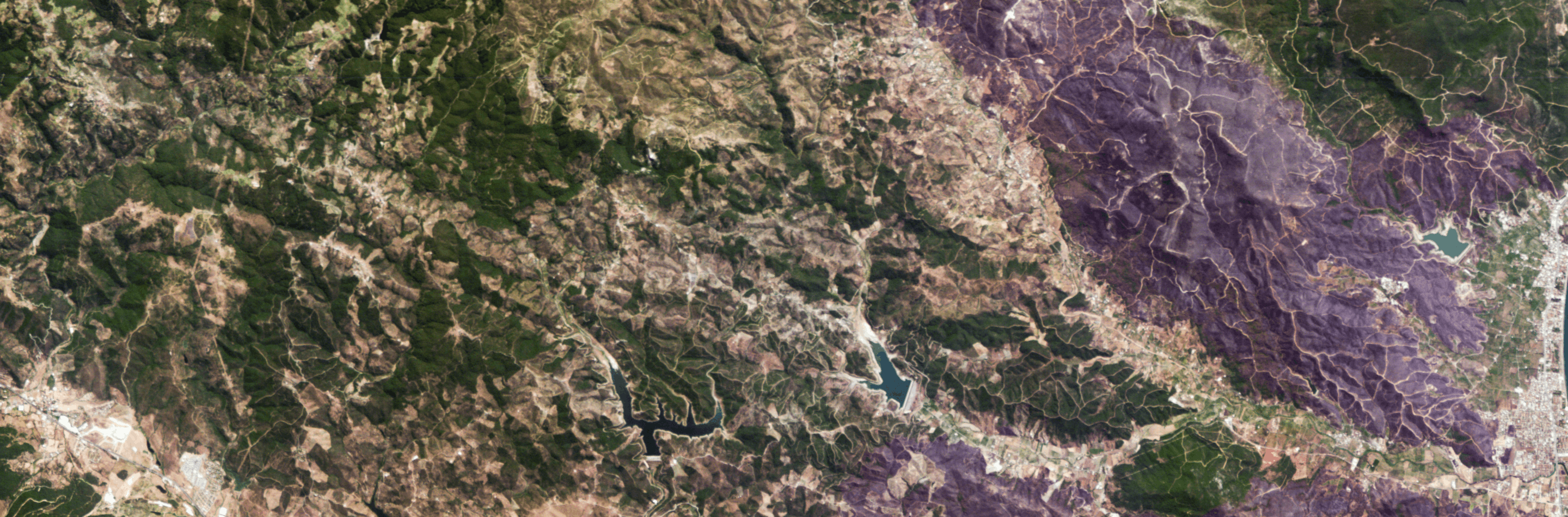
Proactive forest management
Stay ahead of wildfire risk, ecosystem stress, and inventory uncertainty with species-resolved intelligence designed for mixed-wood forests.

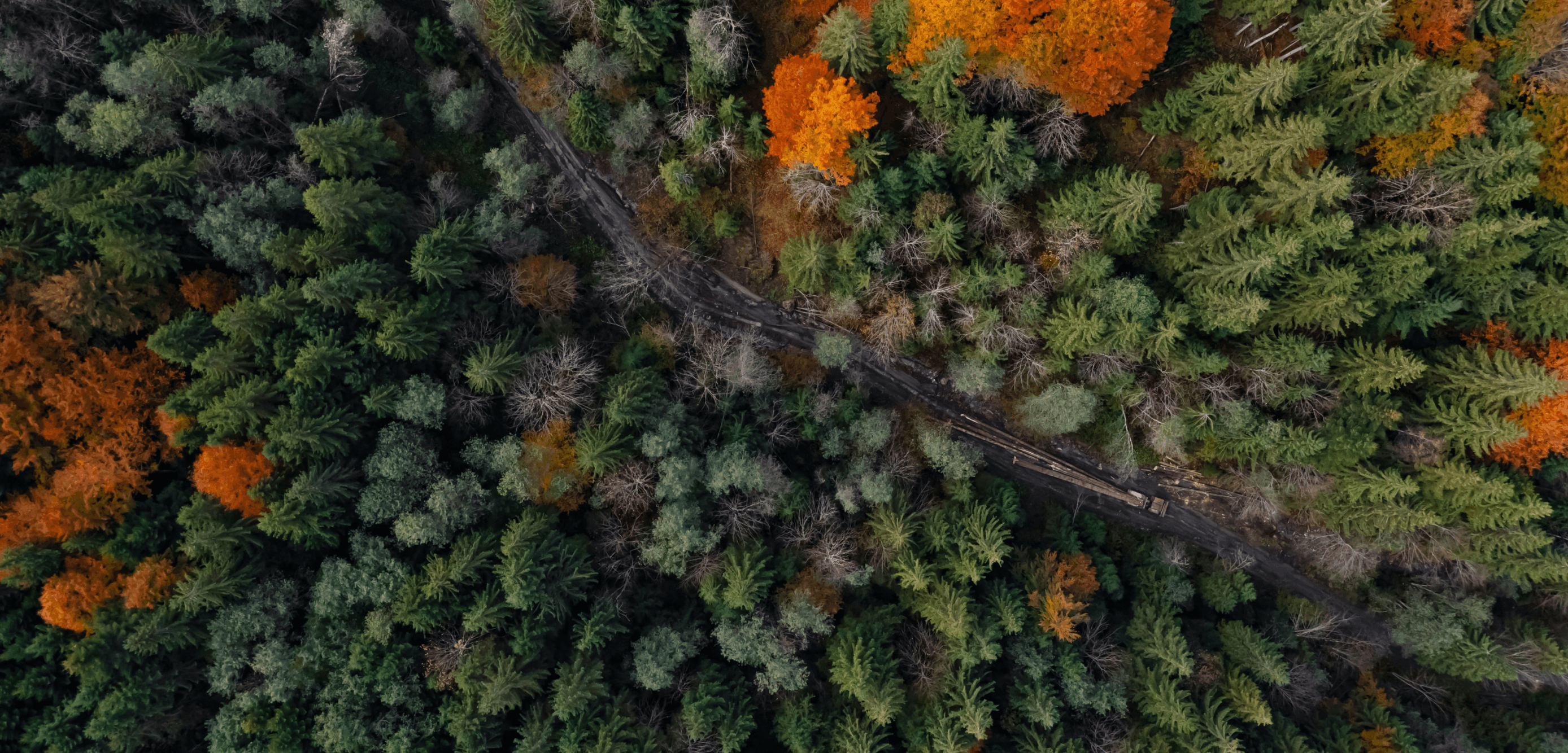

Detect forest stress before it’s visible
Identify and mitigate health issues weeks before visible symptoms to minimize downstream loss.
Accurately classify species in mixed wood forests
Maintain a clear species inventory even in challenging environments, like heterogeneous mixed-wood stands.
Enhance predictive model accuracy
Reduce uncertainty in growth, yield, and carbon models with more precise species-level inputs.
Increasing speciation accuracy
We partnered with Tesera, a Canadian forestry analytics company to investigate the impact of hyperspectral imaging on species classification in mixed wood forests.
Our imagery improved tree speciation accuracy by up to 45%, with significant performance boosts on species like Sugar Maple, Balsam Fir, and Eastern Cedar.

Clearly distinguished species with similar reflectance profiles
Significantly improved basal-area estimation models
Produced higher-fidelity forest inventory data
Strengthened downstream carbon and habitat modelling workflows
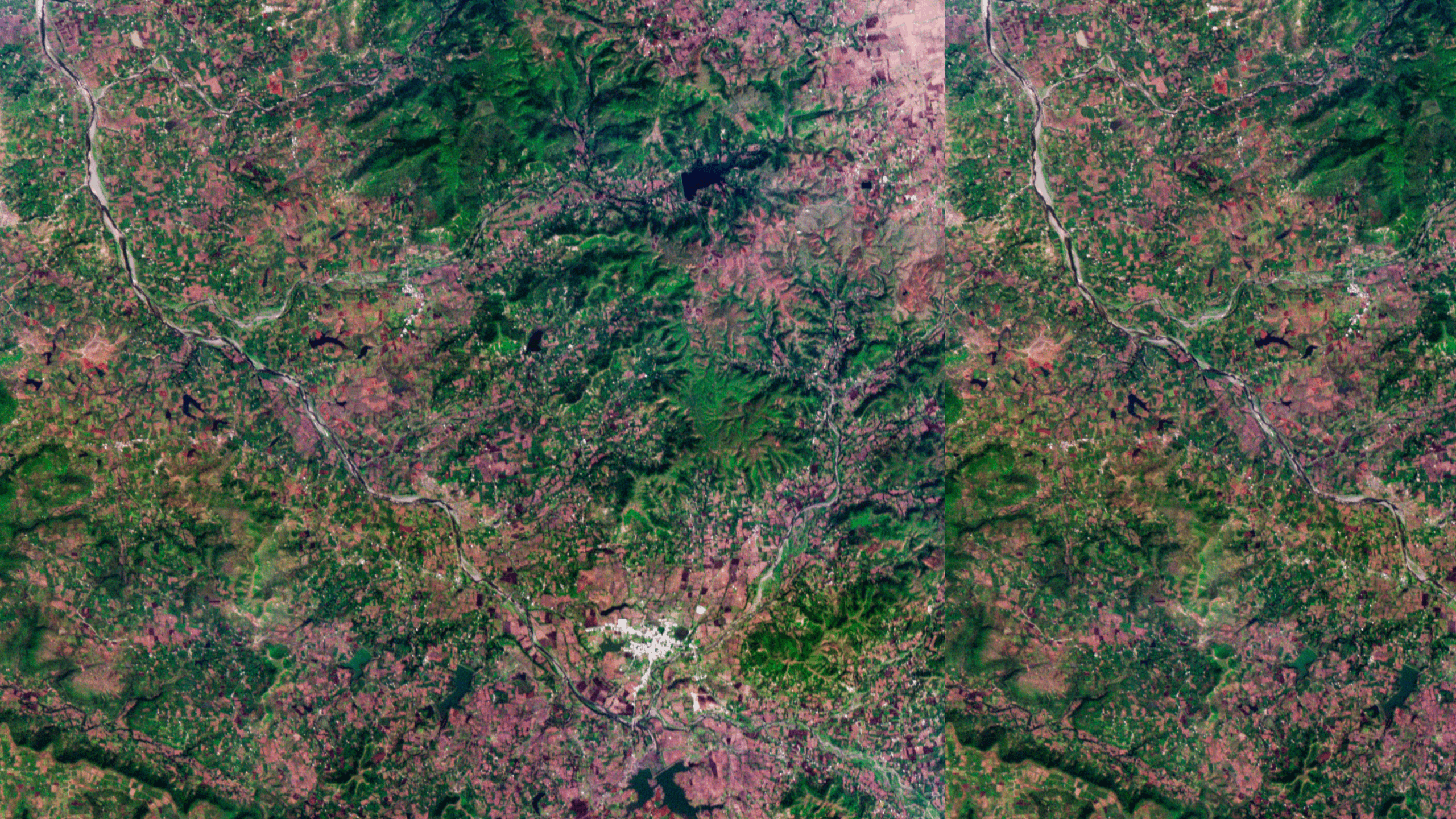
Real-life solutions
Hyperspectral imagery enables efficient, sustainable forestry practices and supports more resilient forests.
Species classification
Produce species-level maps that improve inventory accuracy, silviculture prescriptions, and long-term planning.
Invasive species detection
Identify invasive species early and accurately to limit spread and impact.
Wildfire monitoring
Track risk factors to support early response and optimize firefighting resources.
Early disease detection
Spot and target disease and before visible symptoms, minimizing forest decline.
Inventory management
Maintain accurate inventories that inform sustainable harvesting and resource use.
Carbon storage assessment
Improve biomass and carbon estimates by distinguishing species and their relative abundance.
The hyperspectral advantage
Hyperspectral satellite imagery complements field data and airborne surveys with repeatable, species-resolved insights that scale across large, heterogeneous forest portfolios.

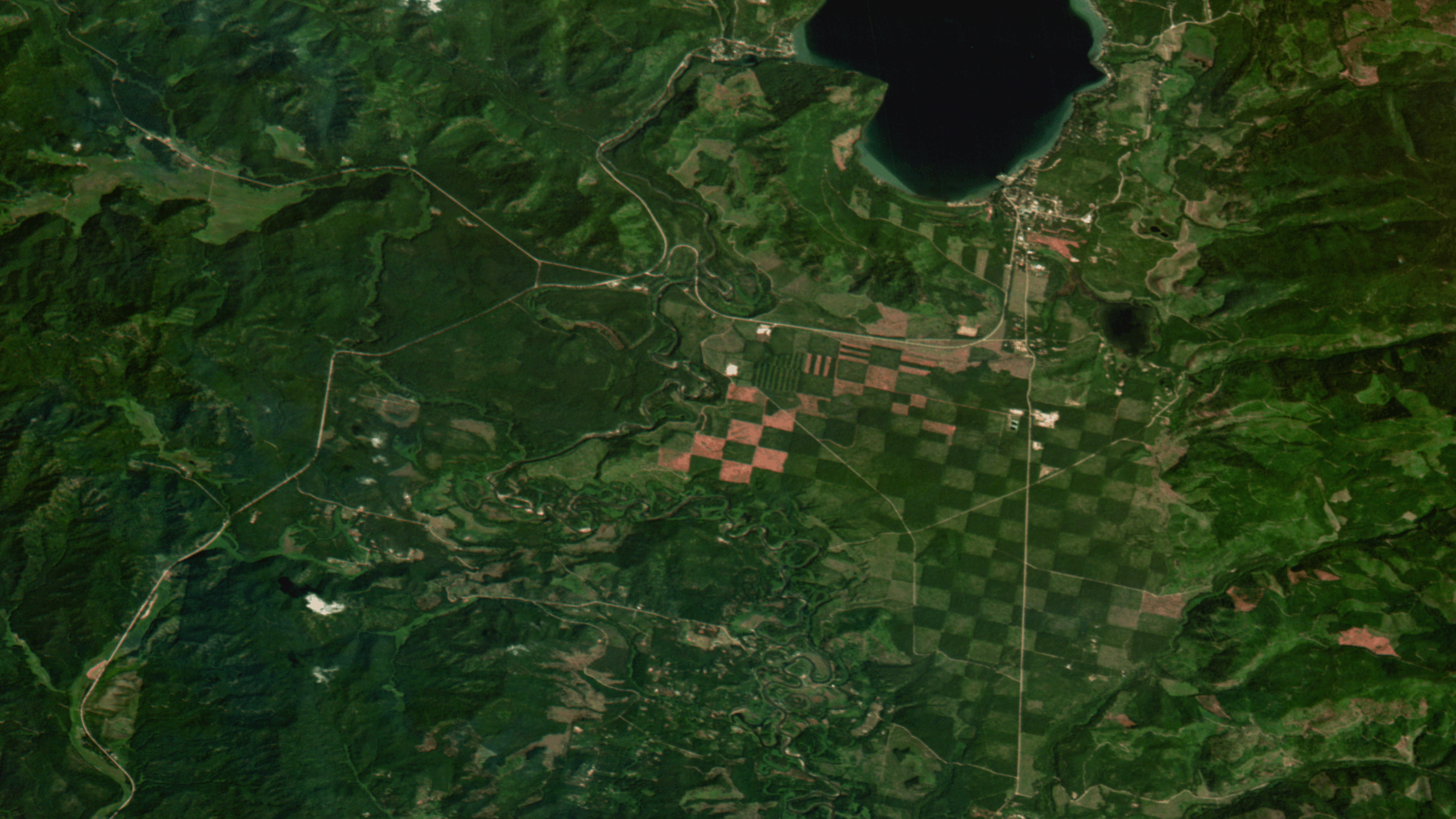

Frequently Asked Questions


Hyperspectral imagery is designed for forestry organizations whose decisions, asset valuation, or sustainability outcomes depend on accurate species composition across large, mixed-wood landscapes. This includes timberland and forest asset managers, forest carbon developers, jurisdictional forestry authorities, and forestry-focused MRV and inventory integrators.
Species misclassification creates uncertainty in growth and yield models, silviculture prescriptions, carbon accounting, and biodiversity metrics. In mixed-wood forests, even small classification errors can affect material planning, financial, or verification risks across your portfolio.
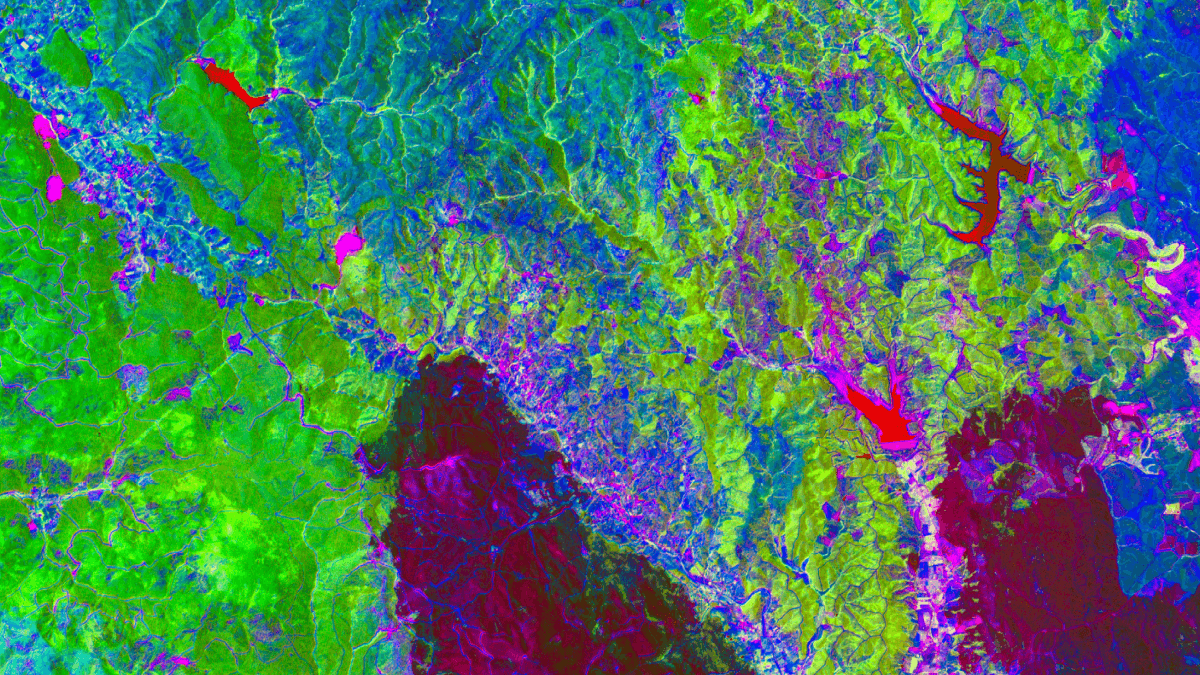
Hyperspectral imagery captures dense spectral information that reveals subtle biochemical and physiological differences between tree species. This enables more accurate species classification and relative abundance estimation in heterogeneous stands. Hyperspectral imagery provides more reliable forest inventory inputs than multispectral imagery.
Precise species composition is critical for accurate biomass estimation, carbon modelling, and habitat assessment. By reducing species-level uncertainty, hyperspectral imagery strengthens model inputs and improves the defensibility of downstream carbon, biodiversity, and ecosystem service claims.
No. Field plots and airborne data remain essential for local calibration and validation. Hyperspectral satellite imagery complements these sources by providing consistent, repeatable, species-resolved coverage across large areas, and reduces guesswork when field data is limited.
Wyvern imagery integrates with standard geospatial software and can be accessed through APIs. If you don’t want to manage tooling, our partners can provide a ready-to-use interface that delivers the insights directly.



Start using
hyperspectral imagery